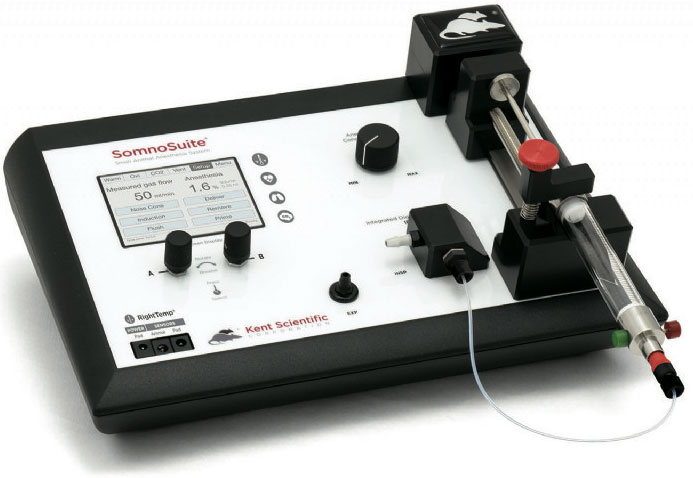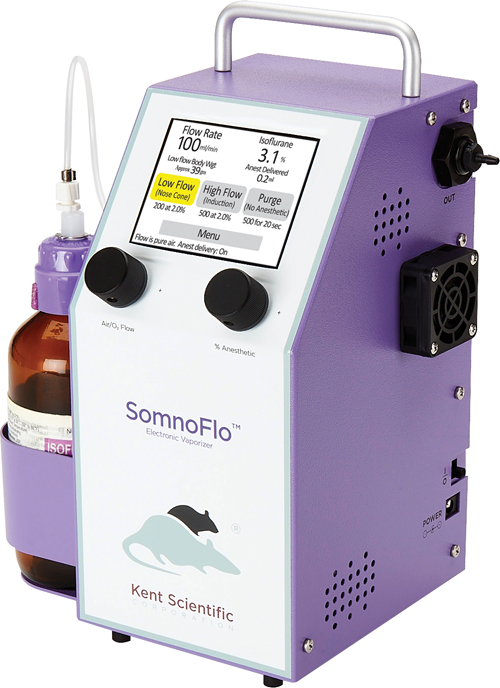
Research laboratories are finding new ways to stretch budgets without compromising safety or scientific outcomes. One area delivering immediate and measurable savings is rodent anesthesia, where low flow systems from Kent Scientific are helping facilities reduce consumables, improve staff safety, shrink environmental impact, save time, and even reclaim valuable bench space.
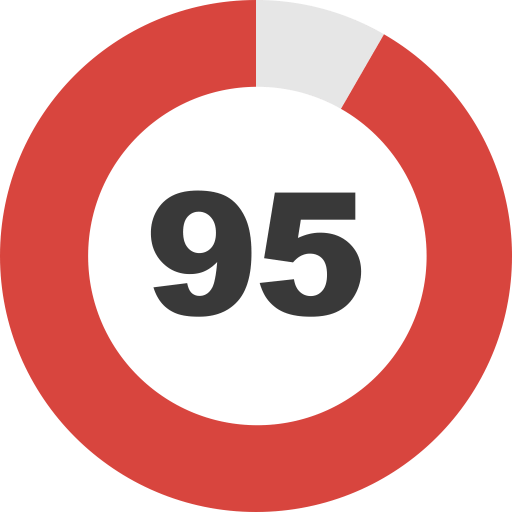
Up to 95% Savings on Consumables
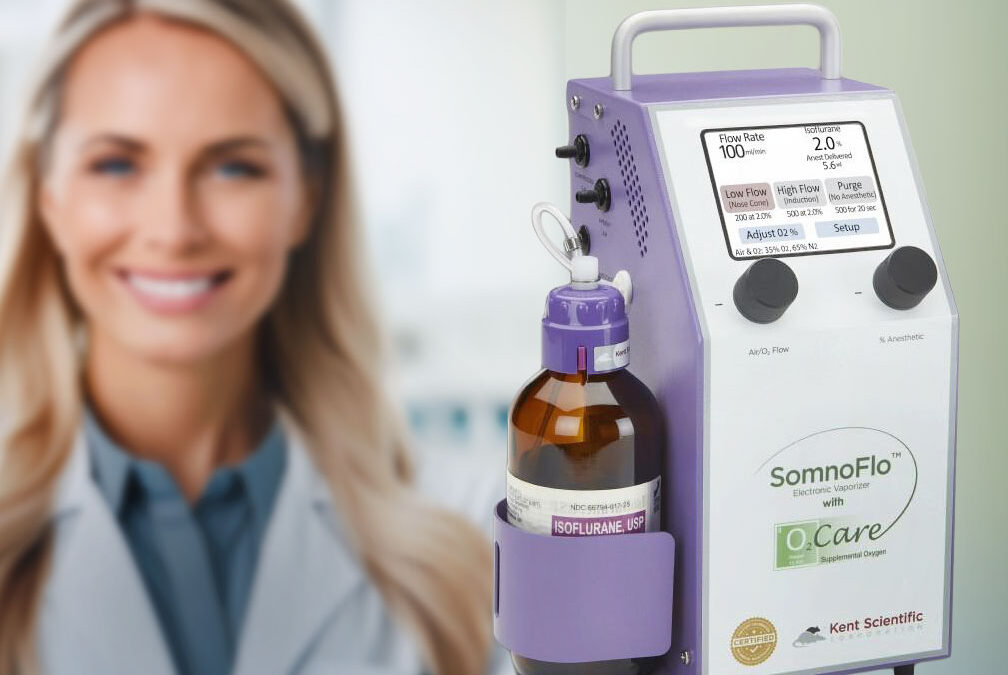
Traditional vaporiser systems typically run at minimum flow rates of around 1000 ml/minute. By contrast, Kent Scientific’s low flow platforms, SomnoSuite (with ntegrated monitoring) or SomnoFlo operate at as little as 20–50 ml/minute, automatically adjusting isoflurane delivery based on the animal’s weight. (The flexible systems also offer higher flows.)
The result:
- Up to 95% reduction in isoflurane consumption
- Significant cuts in medical oxygen use (with optional ambient room air or mixed air/oxygen options)
- Fewer charcoal waste anesthetic gas (WAG) canisters required
For many facilities, the drop in recurring costs can offset the capital investment within months. Lower flow rates mean less anesthetic purchased, fewer gas cylinders ordered, and reduced waste disposal fees—directly easing annual operating budgets.

Safety Savings: Protecting Staff and Animals
Low-flow precision doesn’t just reduce chemical use—it lowers occupational exposure risk. With minimal excess waste gas released, labs can easily operate below recommended safety thresholds, helping protect technicians and researchers.
Systems also allow selection between compressed gas and ambient room air via touchscreen controls. When oxygen is clinically necessary—such as in animals with respiratory concerns—users can switch seamlessly. Integrated gas mixer options offer oxygen concentrations from 21% to 100%, reducing risks sometimes associated with routine 100% oxygen use.
For animals, precise dosing helps:
- Maintain stable anesthetic depth
- Reduce overdose or underdose events
- Shorten recovery time
- Improve overall welfare and post-operative outcomes
Faster recovery can translate into improved workflow efficiency and stronger research reproducibility.

Environmental Impact: Lower Carbon, Less Waste
Reduced anesthetic and oxygen consumption has measurable environmental benefits. Lower oxygen demand means:
- Less energy used in medical gas production
- Fewer cylinder deliveries
- Reduced transportation emissions
Minimised waste gas output also cuts down on charcoal canister disposal. For institutions aligning with sustainability goals—or advancing the 3Rs (Replacement, Reduction, Refinement)—these reductions contribute to greener research practices and potentially stronger funding narratives.
Time Savings Through Simplicity
Operational efficiency is another area where labs are seeing returns.
- Touchscreen controls simplify setup
- Automated weight-based dosing removes manual calculations
- Online training resources speed staff onboarding
- No mandatory annual calibration program reduces downtime
Eliminating recurring calibration and maintenance programs not only saves service costs but also avoids workflow interruptions.
Less Bench Space + Portable
Beyond consumables and gases, physical footprint is often overlooked in cost analysis. Compact systems like SomnoSuite (1.6 kg) and SomnoFlo (2.3 kg) occupy significantly less bench space than traditional mobile anesthesia carts.
Smaller dimensions make the units:
- Easy to move between labs
- Simple to share across departments
- Ideal for space-restricted facilities
Reclaiming bench space can improve laboratory organisation and allow additional equipment or procedures to run concurrently, an indirect but meaningful productivity gain.
Matching the System to the Study
While low-flow systems are well suited to mice and small rodents, traditional vaporiser platforms such as VetFlo remain appropriate for animals over one kilogram or when rapid induction is required. Selecting the right system ensures both performance and cost optimisation.
A Compounding Return on Investment
When combining savings across:
- Isoflurane consumption
- Oxygen use
- WAG canisters
- Maintenance programs
- Energy and waste management
- Bench space utilisation
…the cumulative financial impact becomes substantial.
For research facilities facing tightening budgets and increasing sustainability mandates, low-flow anesthesia systems are emerging not just as a technical upgrade—but as a strategic investment in safer, leaner, and more environmentally responsible science.