
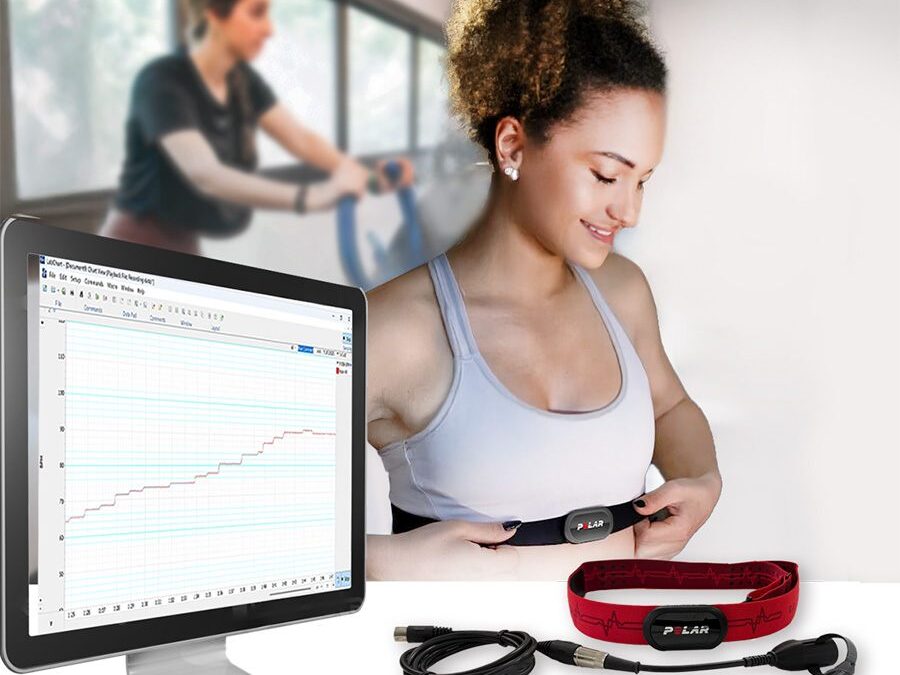
Freedom of Movement without Limitations
NovaWhite, an innovator in scientific instruments, has launched its new Bluetooth Heart-Rate Receiver, a cutting-edge device designed to replace aging Polar receivers commonly used in physiology classrooms. This new technology aims to address long-standing frustrations with legacy equipment, offering a modern solution for exercise physiology education.
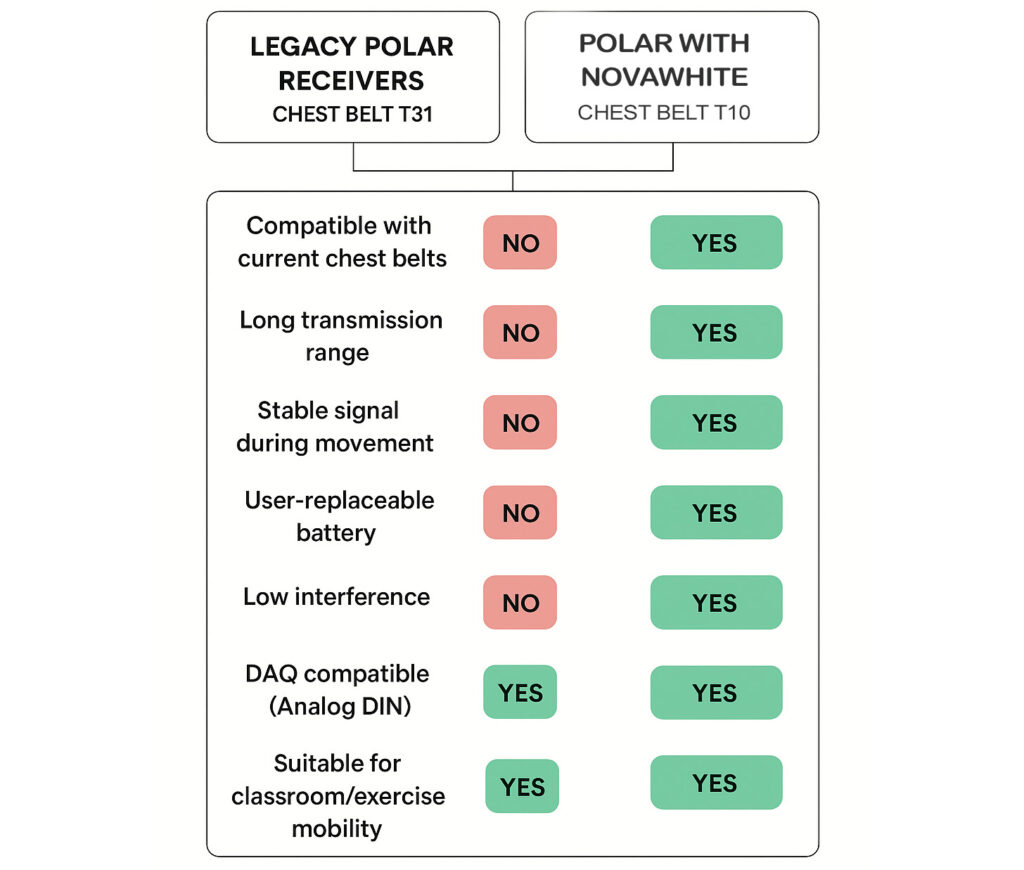
For over a decade, university labs have been limited to using the Polar T31 chest-belt receivers, which have several drawbacks. These devices are known for their short transmission range, non-replaceable batteries, cross-talk with nearby Polar belts and frequent signal dropouts during movement. As a result, instructors and students have been constrained by technology that hindered learning and experimentation in the lab.
Long Transmission Range
NovaWhite’s new receiver was developed specifically to address these limitations. The company’s goal is not just to modernize the technology but to remove the barriers that have restricted exercise-based physiology education. As Sebastian White, APAC Scientific Product Manager, explains, “Students should be able to move freely, not stay tethered to a one-meter range. The NovaWhite Receiver provides up to 10 metres in range”
Signal Stability During Activity
The new receiver is paired with the Polar H10 chest belt, a widely used modern heart-rate monitor. It communicates via Bluetooth Low Energy (BLE), an efficient wireless protocol designed to reduce interference and maintain a stable signal, even during vigorous physical activity. This improvement addresses a key concern raised by instructors, who have long requested a solution that could provide more reliable data during active sessions.
Compatibility with Existing Data Acquisition Systems
NovaWhite’s Bluetooth receiver offers Bluetooth functionality to analog DIN outputs, ensuring seamless compatibility with popular data acquisition systems like PowerLab (LabChart), iWorx (LabScribe), and others. This compatibility means that labs can integrate the new technology into their existing frameworks without needing to replace other equipment, making it easier for instructors to incorporate it into their curriculum.
Enhanced Flexibility for Movement-Based Activities
With the new heart-rate receiver, instructors gain greater flexibility when designing lab activities, particularly those that involve movement, such as cycling, running and . The improved range and signal stability allow for more dynamic, interactive lessons that were previously limited by the constraints of legacy systems.
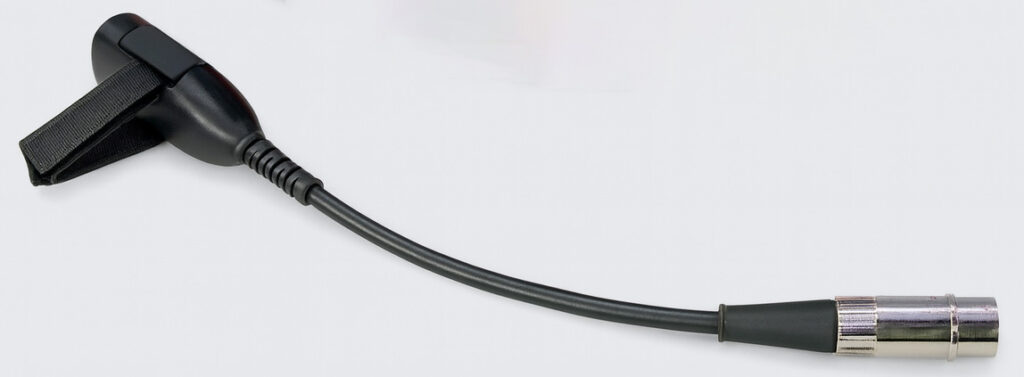
The NovaWhite Wireless Connector is supplied with a strap, designed for easy attachment to equipment like bike handlebars. It is available with an extension cord to further inccrease wireless range.
Available in Bulk for Classroom Use
NovaWhite’s Bluetooth Heart-Rate Receivers are supplied with Polar chest straps. They are available in packs of 5, 10, and 50, catering to different classroom sizes and needs. This flexibility ensures that institutions of all sizes can benefit from the advanced features of the new device.